Your car
Use the sliders or type a number. The result updates as you type, and nothing you enter is sent anywhere — the calculation runs in your browser.
Defaults: £25,000, 3 years, 15% a year.
Your car's estimated value
Estimated current value
£15,353
£9,647 lost (38.6%) over 3 years at 15% a year
| Estimated current value | £15,353 |
| Total depreciation | £9,647 |
| Total depreciation | 38.6% |
| Average loss per year | £3,216 |
Year-by-year value
| Year | Value at end of year | Lost that year |
|---|---|---|
| 1 | £21,250 | £3,750 |
| 2 | £18,063 | £3,188 |
| 3 | £15,353 | £2,709 |
This is an estimate, not a valuation. It does not allow for mileage, condition, make and model, or the state of the used-car market.
Quick answer
With the defaults — a £25,000 car, 3 years, 15% a year — the car is estimated to be worth £15,353 after 3 years. That is a loss of £9,647 (38.6%). Change the price, years or rate above and the result updates at once. This is an estimate, not a valuation: it cannot tell you what a dealer would pay or what a private buyer would offer.
How it works
Depreciation is the fall in a car's value over time. This calculator uses the declining-balance method: each year, the car loses the same percentage of its value at the start of that year. Because the value falls, the cash amount lost gets smaller every year, even though the percentage stays the same. After the first year at 15%, a £25,000 car has lost £3,750; in the third year it loses £2,709, because 15% is now taken from £18,063 rather than from £25,000.
The rate is the part that matters most, and it is also the part you have to judge. A rate that is too low will overstate the car's value; a rate that is too high will understate it. If you are unsure, run the calculator twice — once with a lower rate and once with a higher rate — and treat the two results as a range rather than a single answer.
What a £25,000 car is worth after 3 years at different rates
| Annual rate | Estimated value after 3 years | Total loss |
|---|---|---|
| 10% a year | £18,225 | £6,775 (27.1%) |
| 15% a year | £15,353 | £9,647 (38.6%) |
| 20% a year | £12,800 | £12,200 (48.8%) |
Frequently asked questions
How much does a car depreciate per year?
There is no single fixed rate. It depends on the car, its age, mileage, condition and the used-car market. This calculator lets you enter any annual rate from 1% to 50% and shows the result for that rate, so you can test different scenarios rather than relying on one number.
Is this a valuation of my car?
No. This is an estimate based only on the price, years and rate you enter. A real valuation also depends on the make and model, mileage, condition, service history and what buyers are paying for that car now. For a market-based figure, use our Car Valuation Estimator.
What depreciation rate should I use?
It depends on the car and the period. As a starting point, many people test a range — for example 10%, 15% and 20% a year — and compare the results. A car that is in demand and well looked after will usually lose value more slowly than one that is not, so use a lower rate for the former and a higher rate for the latter.
Does mileage affect depreciation?
Yes, in real life. A car with high mileage for its age is usually worth less than the same car with low mileage, and a car in poor condition is worth less than one in good condition. This calculator does not include mileage or condition, so allow for them when you choose the rate.
Why does the loss get smaller each year?
Because the calculator uses the declining-balance method. Each year's loss is a percentage of the value at the start of that year, not of the original price. As the value falls, the same percentage works out to a smaller cash amount.
Does depreciation include inflation?
No. The figures are in the pounds of the day and are not adjusted for inflation. They show the nominal value of the car after the number of years you enter.
Use this free car depreciation calculator to estimate how much value your car will lose over the years you own it. Enter the price you paid, how many years you will keep the car, and the annual depreciation rate — then see the estimated current value, the total loss in pounds and as a percentage, and a year-by-year breakdown.
Worked example
Take a car bought for £25,000 and owned for 3 years, with an annual depreciation rate of 15%. Using the declining-balance formula, the value falls by 15% of the remaining value each year:
| Year | Value at start of year | Depreciation that year | Value at end of year |
|---|---|---|---|
| 1 | £25,000 | £3,750 | £21,250 |
| 2 | £21,250 | £3,188 | £18,063 |
| 3 | £18,063 | £2,709 | £15,353 |
After 3 years the car is estimated to be worth £15,353. That is a total depreciation of £9,647, or 38.6% of the purchase price. Try the same figures in the calculator above — the results should match.
The formula behind this car depreciation calculator
The calculator uses the declining-balance method. The value after n years is:
Value after n years = Purchase price × (1 − annual rate)n
Total depreciation is the purchase price minus that value, and the percentage lost is the total depreciation divided by the purchase price, multiplied by 100. Each year the same percentage is applied to the value at the start of that year, so the cash amount lost gets smaller every year even though the rate stays the same.
Assumptions
| Assumption | What it means |
|---|---|
| Same rate every year | The annual depreciation rate you enter is applied unchanged for every year. |
| Declining balance | Each year’s loss is a percentage of the remaining value, not of the original price. |
| Nominal pounds | Figures are in the pounds of the day; they are not adjusted for inflation. |
| Purchase price | Use the price actually paid, including any part-exchange value given for your old car. |
| No other factors | Mileage, condition, brand, model, fuel type and the used-car market are not included. |
What affects how fast a car loses value?
Depreciation is not the same for every car. New cars usually lose the largest share of their value in the first year, while older cars lose value more slowly in cash terms. Mileage, condition and service history matter, as do the make and model, fuel type and how popular the car is with used buyers.
Some sought-after models hold their value better than average, while others fall faster when new prices or incentives change. The rate you enter should reflect the kind of car and the period you are planning for — a single fixed rate is a simplification, which is why this tool is an estimate and not a valuation. Use the car depreciation calculator to compare two cars: run it for each one with the same number of years and a rate that suits each car, then compare the total loss side by side.
What this estimate is not
This calculator gives an estimate, not a valuation. It cannot tell you what a dealer would pay, what a private buyer would offer, or what your car is worth as a part-exchange. Real values depend on the car’s make and model, mileage, condition, service history and the state of the used-car market. For a market-based figure, use our Car Valuation Estimator, and treat this calculator as a planning tool for working out how much value a car is likely to lose over time. It is not financial advice. To see a range of possible outcomes, run the car depreciation calculator twice — once with a lower rate and once with a higher rate — and compare the two results.
Sources
Checked on 16 November 2026. This page uses no market data and no external statistics: every figure is calculated in your browser from the purchase price, years and rate you enter. The declining-balance method is the standard way of modelling a percentage loss applied to a falling value each year. For a market-based check on a specific car, independent valuation guides such as Parkers’ free car valuation use CAP data on real used-car prices. For the site’s method and editorial standards, see our Methodology and Editorial Policy.
Related guides and tools
- Vehicle Total Cost Calculator — add depreciation to fuel, tax, insurance and servicing to see the full cost of owning a car.
- Car Valuation Estimator — a market-based estimate of what a car may be worth now.
- EV vs Petrol Calculator — compare the running costs of an electric car and a petrol car.
- Car Running Cost Calculator — work out the monthly cost of running your car.
- UK Car Cost Index — the figures behind our cost guides, checked regularly.
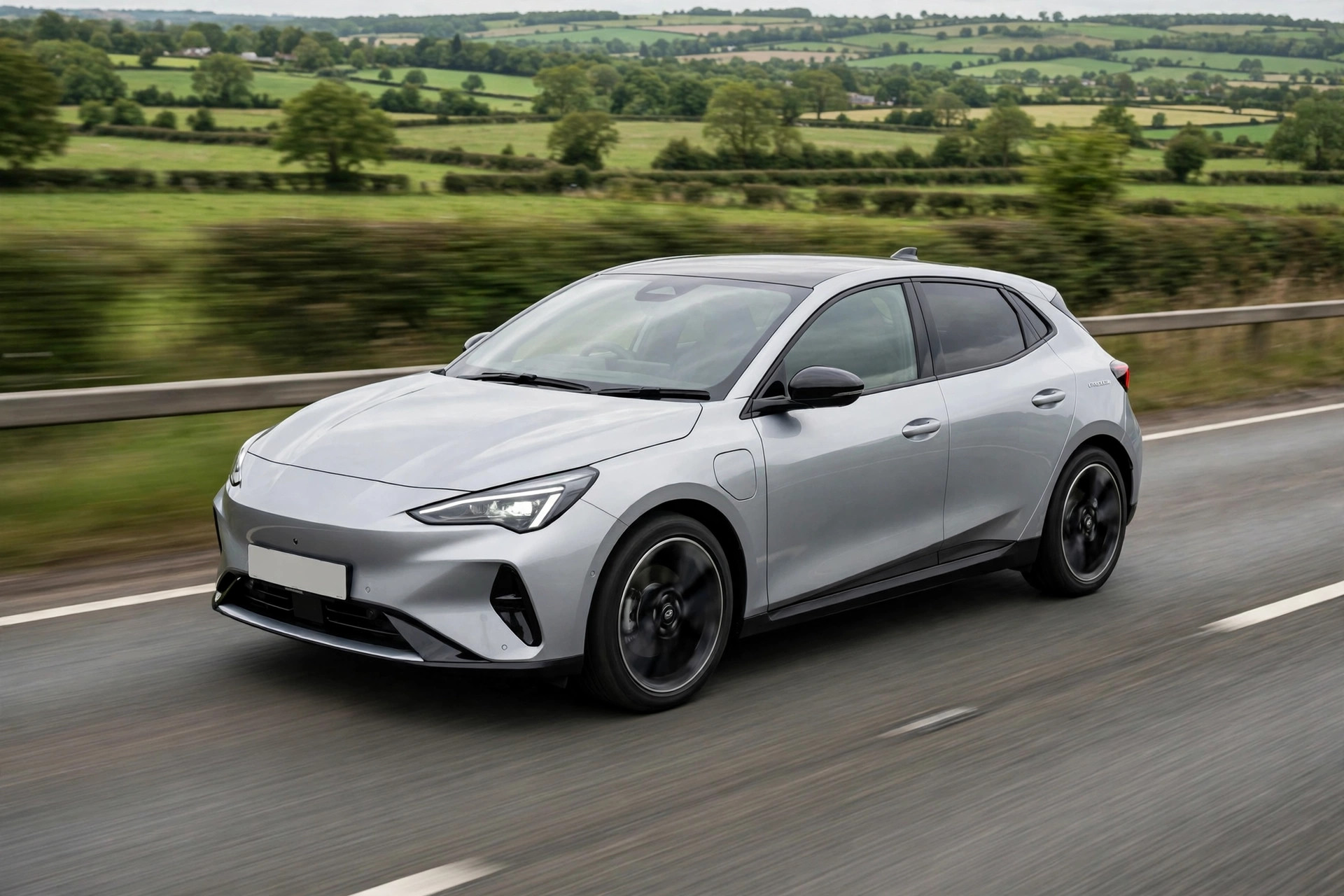
A car’s value usually falls fastest in its first years on the road. Use the calculator above to see the effect over the years you plan to keep it.
Direct answer: A new car in the UK typically loses 15 to 35% of its value in the first year, and 40 to 60% by three years old. Use the car depreciation calculator uk drivers rely on above to work out what your car will be worth, year by year.
How much does a car depreciate by year?
Every published source gives a range, because every car is different. These are the published UK ranges for a typical new car.
| Age of car | Value typically lost so far | Value typically kept |
|---|---|---|
| After 1 year | 15 to 35% | 65 to 85% |
| After 3 years | 40 to 60% | 40 to 60% |
| After 5 years | 60 to 70% | 30 to 40% |
| After 8 to 10 years | Around 80% | Around 20% |
Ranges from MoneyHelper, the RAC, the AA and Motorway. The AA puts the average new car at around 40% of its list price after three years at 10,000 miles a year. The RAC gives a first year range of 15 to 35% and says values keep falling for up to eight years.
The pattern is the point. The first year alone costs the most, more than the next two years combined. Then the curve flattens: a typical family car is worth about 50% of its new price at three years old, about 30% at six years, about 20% at nine years and about 10% at twelve years. That makes years two to four the sweet spot for buyers: the sharpest drop is paid for, but the car is still modern and often still under warranty.
For the full year-by-year guide, read how much does a car depreciate per year UK, our guide with a worked £25,000 example over five years.
Petrol, diesel and electric car depreciation
Fuel type moves the rate. Electric cars have depreciated faster than petrol and diesel in recent years. Carwow figures quoted by GoCompare put electric cars at around 39% of their original value after three years, against 52 to 56% for petrol and diesel.
Petrol and diesel cars depreciate at roughly similar speeds, though diesel values have been under more pressure in towns and cities where clean air zones apply. Hybrid cars sit between the two: their electric running helps, but they still carry an engine, a battery and the servicing of both.
The calculator lets you set a different yearly rate for each fuel type. If you are costing an electric car, use a higher rate than for a petrol car of the same price, and check the result against the published ranges above before you rely on it.
How to lose less to depreciation
Buy nearly new. Let the first owner pay for the steepest drop: a one or two year old car has already lost 15 to 35%. Keep the mileage sensible, and if you do high miles, buy a car that is already a few years old so the extra miles cost you less in lost value.
Keep a full service history, service on time and keep every receipt. Look after the condition: fix small dents, keep the interior clean and keep the MOT clean. And choose a car that holds its value: check residual values before you buy, and favour popular models in neutral colours.
Depreciation is usually the biggest single cost of owning a car, often nearly double fuel, insurance, tax and MOT combined. That is why the vehicle total cost calculator includes it alongside fuel, insurance, tax and servicing.
Frequently asked questions
Which cars depreciate least?
Popular models with a strong reputation, low mileage, a full service history and a neutral colour depreciate least. Small, economical cars and well-known family models usually hold value better than large, thirsty or rare ones. Electric cars have depreciated faster than petrol and diesel in recent years, so they are not the slowest to lose value right now.
Do electric cars depreciate faster?
Yes, in recent years. Carwow figures quoted by GoCompare put electric cars at around 39% of their original value after three years, against 52 to 56% for petrol and diesel. The gap is narrowing as used electric car prices settle, but for now use a higher yearly rate for an electric car in the car depreciation calculator uk page above.
How to calculate residual value?
Residual value is what the car is worth at the end of the period you care about. Multiply the price when new by the percentage kept each year. At 15% a year, a £25,000 car keeps 85% each year, so after three years it is worth £25,000 times 0.85 times 0.85 times 0.85, which is £15,353. The calculator above does this for any price, rate and number of years.
Sources for the sections above: MoneyHelper, first-year depreciation range 15 to 35%; RAC depreciation guidance; AA depreciation guidance; Motorway, Car Depreciation UK Market Guide 2026; Carmoola, How fast do cars depreciate?; GoCompare car depreciation calculator (Carwow electric car figures). All checked 26 November 2026. The calculator worked example (£25,000, 15% a year, 3 years, £15,353) was checked live on this page.