How Much Does a Car Depreciate Per Year UK: The Full 2026 Guide
Quick answer: How much does a car depreciate per year UK? A new car in the UK typically loses 15 to 35% of its value in the first year (MoneyHelper, RAC), and by three years old it has usually lost 40 to 60% of what it cost new. After that the fall slows: five years old means 60 to 70% gone, and eight to ten years means around 80% gone. Depreciation is usually the biggest single cost of owning a car.
Contents
Table of Contents
Picture the moment you drive a brand new car off the forecourt. It feels like yours, it smells new, and it has already lost money. That quiet loss has a name, depreciation, and for most UK drivers it is the biggest cost of owning a car. This guide explains how much does a car depreciate per year UK drivers can expect, year by year, what speeds the fall up, and how to lose less of it.
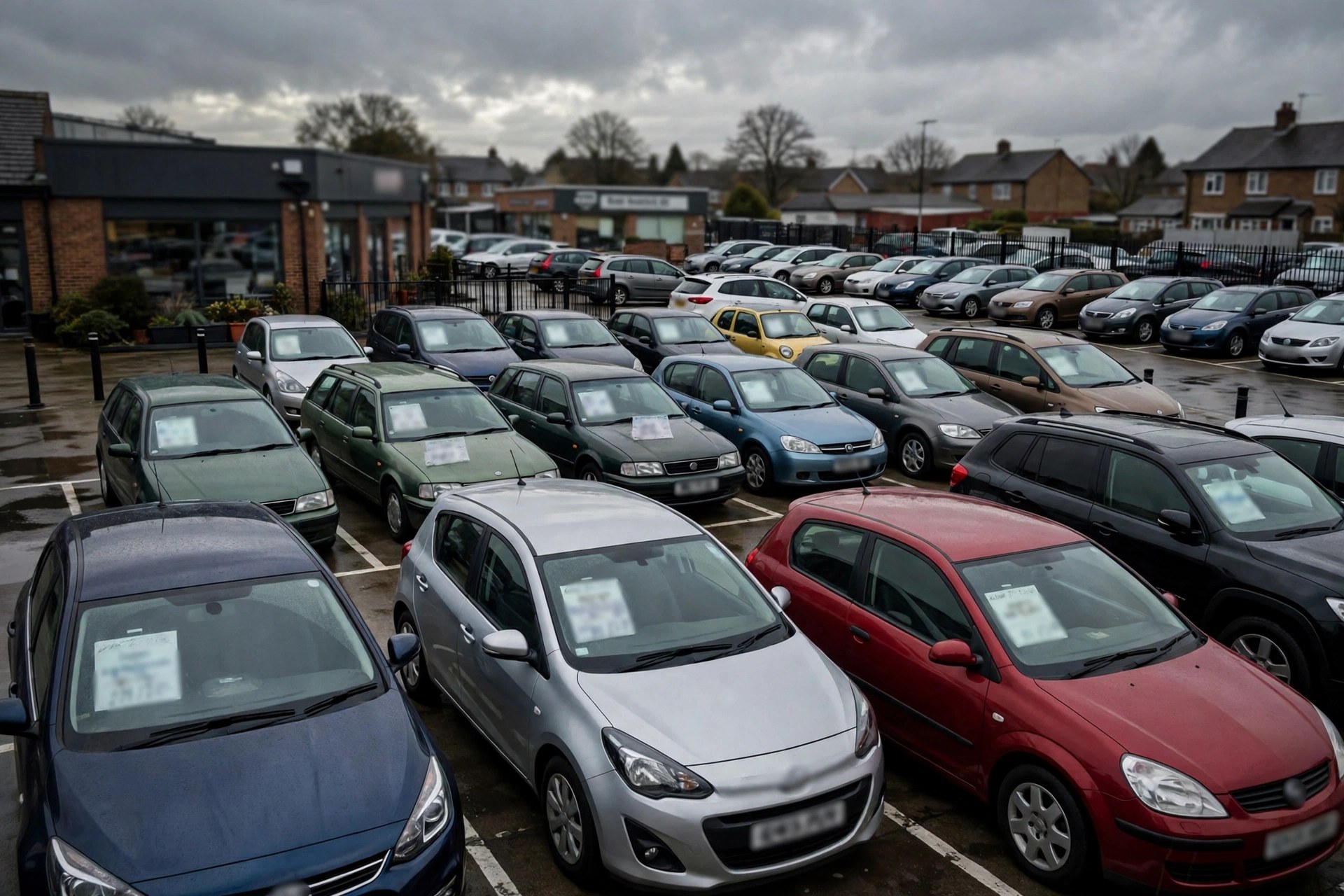
What is car depreciation?
Car depreciation is the drop in what your car is worth between the day you buy it and the day you sell it. Buy a car for £25,000 and sell it three years later for £12,500, and it has depreciated by £12,500. That is the cost of owning it, just as real as the fuel you put in it.
How much does a car depreciate per year UK?
Every published source gives a range, because every car is different.
| Age of car | Value typically lost so far | Value typically kept |
|---|---|---|
| After 1 year | 15 to 35% | 65 to 85% |
| After 3 years | 40 to 60% | 40 to 60% |
| After 5 years | 60 to 70% | 30 to 40% |
| After 8 to 10 years | Around 80% | Around 20% |
Ranges from MoneyHelper, the RAC, the AA and Motorway. See Sources at the end of this guide.
The AA puts the average new car at around 40% of its list price after three years at 10,000 miles a year. The RAC gives a first year range of 15 to 35% and says values keep falling for up to eight years. MoneyHelper, the government backed money service, uses the same 15 to 35% first year range.
New cars lose value fastest, used cars lose it slowly
Drive a new car off the forecourt and it is a used car. Carmoola puts that instant drop at up to 10%. After one year the typical new car has lost 15 to 30%, and by three years it is worth roughly half what it cost new.
Then the curve flattens. Take the average family car in Carmoola’s example. It is worth about 50% of its new price at three years old, about 30% at six years, about 20% at nine years and about 10% at twelve years. That makes years two to four the sweet spot for buyers: the sharpest drop is paid for, but the car is still modern and often still under warranty.
What makes a car lose value faster?
Two identical cars can lose value at very different speeds. These are the factors that set the car depreciation rate UK drivers actually face.
- Mileage. High mileage is the biggest drag after age. A car that has covered 20,000 miles a year will be worth less than the same car at 8,000 miles a year.
- Brand and model. Some cars hold value and some do not. Popular models with a strong reputation keep more of their price.
- Fuel type. Electric cars have depreciated faster than petrol and diesel in recent years. Carwow figures quoted by GoCompare put electric cars at around 39% after three years, against 52 to 56% for petrol and diesel.
- Condition and service history. A full service history protects value, and so does a clean body, a tidy interior and a valid MOT with no advisories. A one owner car with a full history reads as a cared for car.
- Colour and specification. Neutral colours sell more easily. Black, white, silver and grey hold value better than bright or unusual colours. Popular extras help.

Worked example: a £25,000 car over five years
Illustrative example, not a valuation. It uses the published average ranges from Carmoola, the RAC and the AA, applied to a typical £25,000 new family car doing about 10,000 miles a year. Years 2 and 5 are interpolated.
| Age | Typical value | Total lost | Lost in that year |
|---|---|---|---|
| New | £25,000 | £0 | – |
| After 1 year | £18,750 | £6,250 | £6,250 |
| After 2 years | £16,250 | £8,750 | £2,500 |
| After 3 years | £12,500 | £12,500 | £3,750 |
| After 5 years | £8,750 | £16,250 | £1,875/yr |
The pattern is the point. The first year alone costs £6,250, more than the next two years combined. By year three the car has lost half its value.
That is why how much does a car lose in value in its first year matters most when you buy new. Check your own car with our Car Depreciation Calculator, and get a current estimate with the Car Valuation Estimator.
Depreciation against your other running costs
Put depreciation next to the costs drivers actually watch, using the UK Car Cost Index figures for a typical driver doing 8,000 miles a year.
| Cost | Amount per year |
|---|---|
| Depreciation (illustrative £25,000 car, first 3 years) | £4,167 |
| Fuel (8,000 miles, 16.88p a mile) | £1,350 |
| Insurance (ABI paid average, Q2 2026) | £566 |
| Road tax (VED, standard rate) | £200 |
| MOT (maximum fee) | £54.85 |
| Core total without depreciation | £2,170.85 |
Depreciation alone is nearly double the other four costs combined. That is why the Vehicle Total Cost Calculator includes depreciation alongside fuel, insurance, tax and servicing, and why its worked example comes to about £4,021 a year.

How to slow depreciation
- Buy nearly new. Let the first owner pay for the steepest drop. A one or two year old car has already lost 15 to 35%.
- Keep the mileage sensible. High mileage is the fastest way to lose value. If you do high miles, buy a car that is already a few years old.
- Keep a full service history. Service on time and keep every receipt.
- Look after the condition. Fix small dents, keep the interior clean, and keep the MOT clean.
- Choose a car that holds its value. Check residual values before you buy. Popular models hold value better than rare ones.
Try CarGarag’s free tools
Work out the numbers for your own car. The Car Depreciation Calculator shows how fast a car loses value, and the Car Valuation Estimator gives a current estimate. The Vehicle Total Cost Calculator adds depreciation to fuel, insurance, tax and servicing to show the true cost of owning your car. Find them on the Free Car Tools page and in the Running Costs hub.
Key takeaways
- A new car in the UK typically loses 15 to 35% of its value in the first year, and 40 to 60% by three years old.
- The fall slows: 60 to 70% gone by five years.
- Depreciation is usually the biggest cost of owning a car, nearly double fuel, insurance, tax and MOT combined.
- Mileage, brand, fuel type, condition and service history move the rate.
- Electric cars have depreciated faster than petrol and diesel, keeping around 39% after three years against 52 to 56%.
- Buying a two to three year old car lets the first owner pay for the steepest drop.
FAQs
How much does a car depreciate per year UK?
A new car typically loses 15 to 35% in the first year, then roughly 10 to 15% a year in years two and three. By three years old it has lost 40 to 60%.
How much does a car lose in value in the first year?
Typically 15 to 35% of its new price. On a £25,000 car that is £3,750 to £8,750 in the first year alone.
Do electric cars depreciate faster than petrol cars?
Yes, in recent years. Carwow figures quoted by GoCompare put electric cars at around 39% of their original value after three years, against 52 to 56% for petrol and diesel.
Does high mileage make a car depreciate faster?
Yes. Mileage is one of the biggest factors after age. A car doing 20,000 miles a year will be worth less than the same car at 8,000 miles a year.
How can I slow down car depreciation?
Buy a car that is one to three years old, keep the mileage sensible, keep a full service history, look after the condition, and choose a popular model in a neutral colour.
Sources
MoneyHelper (government backed); RAC depreciation guidance; AA depreciation guidance; Carmoola, How fast do cars depreciate?; Motorway, Car Depreciation UK Market Guide 2026; GoCompare car depreciation calculator (Carwow electric car figures). CarGarag figures: UK Car Cost Index. All figures checked on 20 November 2026.
For insurance costs, read our average car insurance cost guide, and for electric running costs, read is an electric car cheaper than petrol.
By CarGarag Editorial Team. Last updated 25 November 2026.
About CarGarag Editorial Team
The CarGarag Editorial Team researches UK car costs: VED rates from GOV.UK, fuel prices from DESNZ, electricity prices from the Ofgem price cap, and charging costs from Zapmap. Every calculator on this site runs in your browser, collects no data, and uses the figures in our UK Car Cost Index, checked and dated. We are independent: we do not sell cars, insurance or finance, and our guides explain the maths so you can check it yourself.