Motorcycle Road Tax and Licence Costs in the UK in 2026
Quick answer: Motorcycle road tax in the UK in 2026 costs £27 a year up to 150cc, £59 for 151 to 400cc, £90 for 401 to 600cc and £125 above 600cc. Electric bikes pay £27. A full motorcycle licence cost UK riders pay in official fees is £147.50 at minimum: a £34 provisional licence, a £23 theory test, Module 1 at £15.50 and Module 2 at £75 on a weekday, plus CBT at typically £120 to £200.
Contents
- How much is motorcycle road tax in 2026?
- Which licence do you need?
- What does a motorcycle licence cost?
- The steps in order
- Worked example: your first year on a 125cc
- Try CarGarag’s free tools
- Key takeaways
- FAQs
- Sources
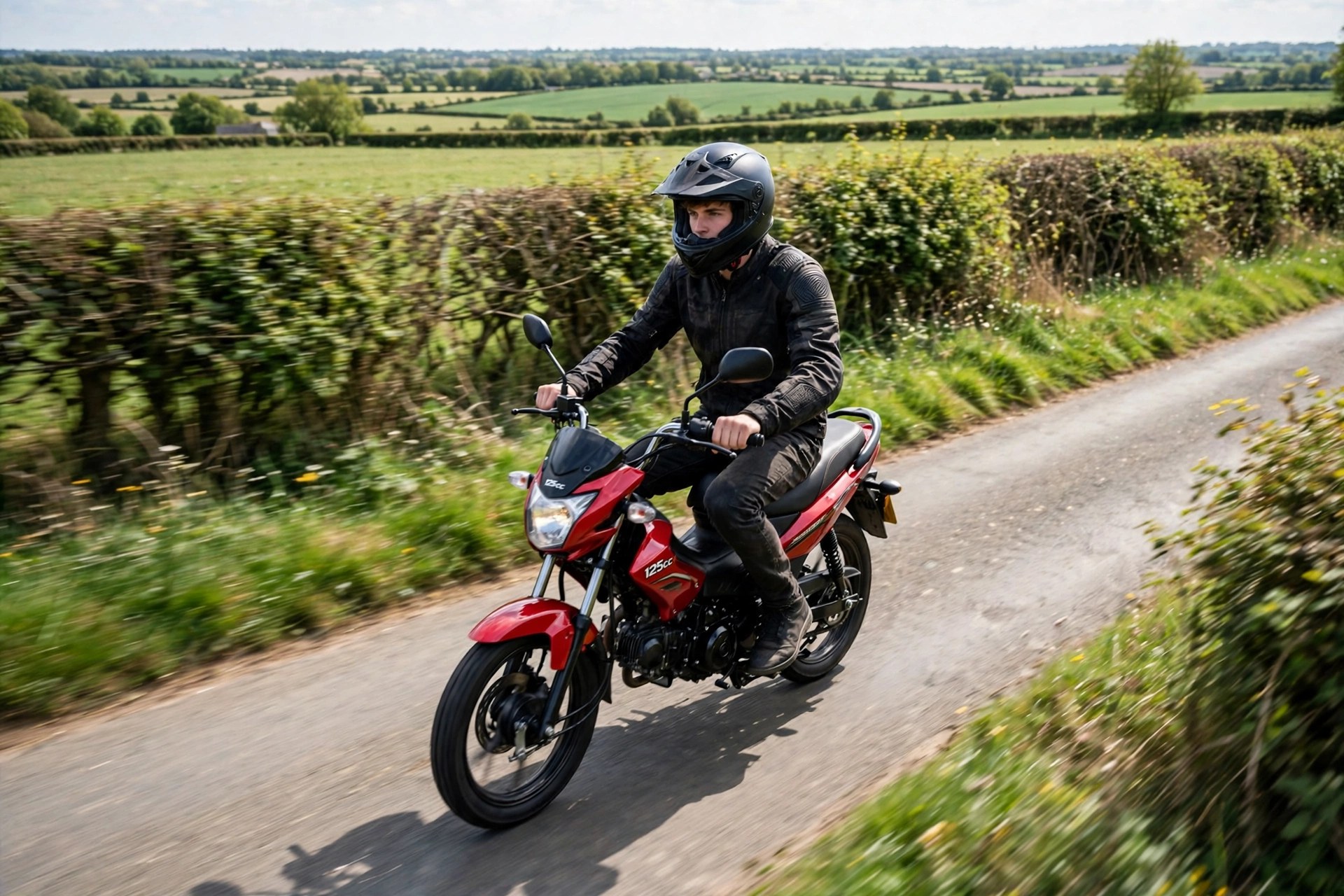
A motorbike is the cheapest way onto the road in Britain. A 125cc commuter costs less than a secondhand car, sips fuel, and slips through traffic. But before the first ride there are two bills to understand: the yearly tax on the bike, and the cost of getting licensed. This guide gives you both, with the 2026 rates from GOV.UK and the DVSA, plus a worked example of the full first-year cost.
How much is motorcycle road tax in 2026?
Motorcycle road tax, or vehicle excise duty (VED), depends on one thing only: engine size, not the age or value of the bike. These are the motorcycle VED rates in force from 1 April 2026, as published by GOV.UK and the DVLA.
| Engine size | 12 months | 6 months | Monthly payments (total) |
|---|---|---|---|
| Not over 150cc | £27 | Not available | £28.35 |
| 151 to 400cc | £59 | £32.45 | £61.95 |
| 401 to 600cc | £90 | £49.50 | £94.50 |
| Over 600cc | £125 | £68.75 | £131.25 |
| Electric | £27 | Not available | £28.35 |
Rates from DVLA leaflet V149, checked 19 November 2026. Monthly payments cost 5% more over the year. The band is set by engine size, so a 400cc bike pays £59 and a 401cc bike pays £90.
That is the whole table for bike road tax 2026.
Pay online at GOV.UK with the V5C log book or the tax reminder. Tax is charged on the bike, not on you, and it does not move to the new owner when you sell. If the bike is off the road, declare it off road (SORN) instead. Electric bikes pay £27 a year since April 2025.
Which licence do you need?
Your age decides where you start. There are four licence categories, each opening up a bigger bike.
| Category | Minimum age | What you can ride | How to get it |
|---|---|---|---|
| AM | 16 | Moped up to 50cc, 25 to 45 km/h | CBT, theory test, practical test |
| A1 | 17 | Up to 125cc, max 11kW | CBT, theory, Module 1 and 2 |
| A2 | 19 | Up to 35kW | Direct access, or 2 years on A1 |
| A | 24 direct, 21 progressive | Any bike | Direct access at 24, or 2 years on A2 at 21 |
An A2 bike must not be derived from a machine with more than twice its power, so you cannot restrict a superbike down to 35kW. With progressive access you retake Module 1 and Module 2 on the bigger bike, but not the theory test. The DVSA opened a consultation in early 2026 on licensing reform, but nothing has changed yet. Check GOV.UK before you book.
What does a motorcycle licence cost?
The motorcycle licence cost UK riders pay has two parts. DVSA fees are fixed and the same at every test centre. Training is where the price varies, because each school sets its own rates.
| Item | Cost |
|---|---|
| Provisional licence (online) | £34 |
| Provisional licence (by post) | £43 |
| CBT | Typically £120 to £200, varies by school |
| Theory test | £23 |
| Module 1 (off-road) | £15.50 |
| Module 2 (on-road, weekday) | £75 |
| Module 2 (evening, weekend, bank holiday) | £88.50 |
The official fees add up to £147.50: £34 for the provisional licence, £23 for theory, £15.50 for Module 1 and £75 for a weekday Module 2. That is before CBT and training. With a typical £150 CBT the total reaches £297.50, and many schools advertise all-in A1 courses at around £400 to £600. Motorcycle road tax is charged separately.
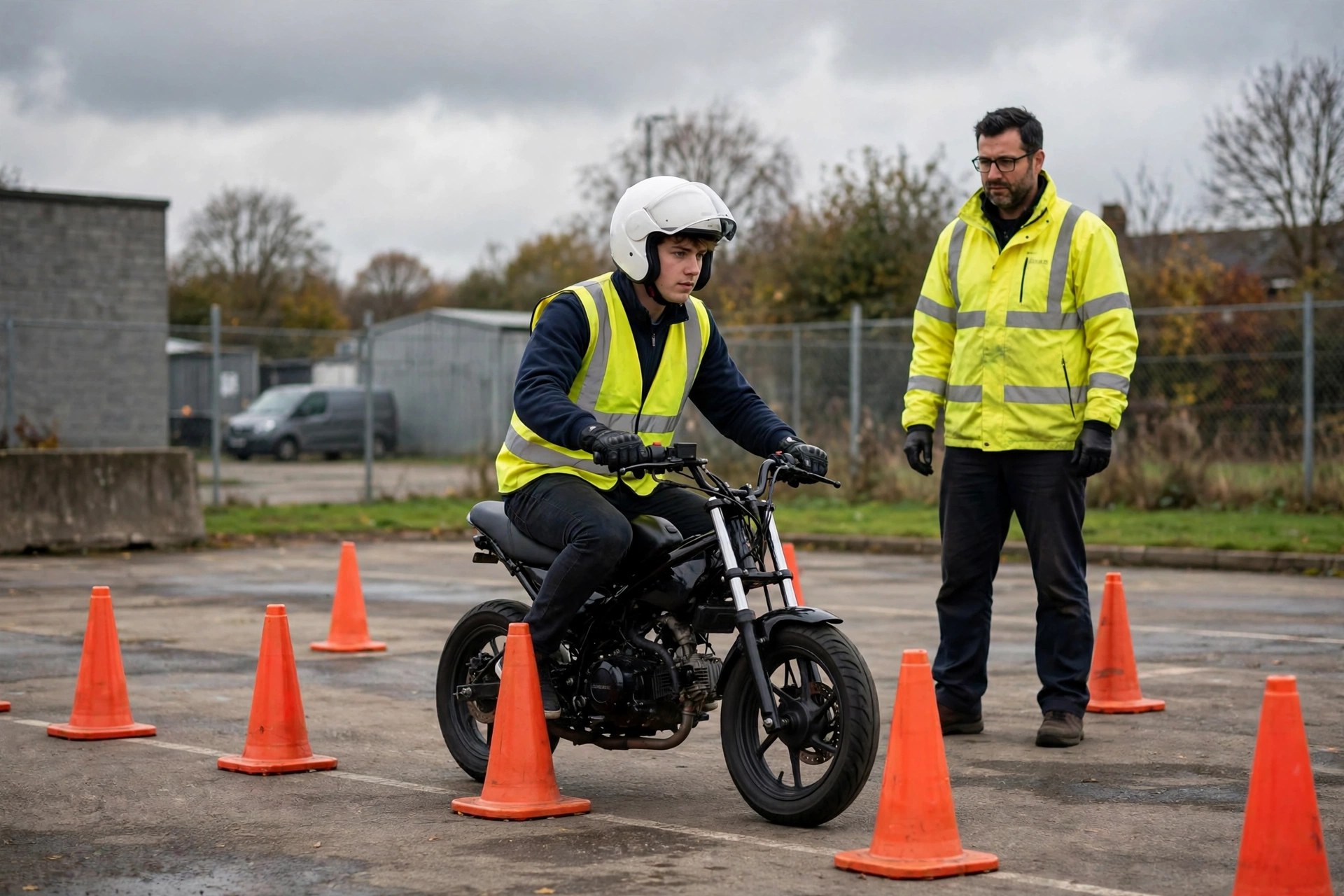
The theory test has two parts on the same day: 50 multiple-choice questions, where you need 43 right, and 14 hazard perception clips, where you need 44 marks out of 75. Your pass lasts two years, and both practical modules must be passed inside that window or you retake the theory. Module 1 is the off-road test on a test centre pad: slow control, a U-turn, a figure of eight, an emergency stop and a swerve. Module 2 is on real roads with an examiner following, plus an eyesight check and safety questions.
The steps in order
- Provisional licence. Apply on GOV.UK for £34 online or £43 by post. If you already hold a full car licence, you do not need a separate provisional.
- CBT. One day of compulsory basic training, typically £120 to £200. After it you can ride up to a 125cc with L plates, but not on motorways and not with a passenger.
- Theory test. Book on GOV.UK for £23. You must pass it before you can book Module 1.
- Module 1. The off-road test, £15.50. Pass this before Module 2.
- Module 2. The on-road test, £75 on a weekday or £88.50 in the evening, at weekends or on bank holidays. Pass it and the L plates come off.
Worked example: your first year on a 125cc
Take a 17-year-old who buys a used 125cc commuter and rides 5,000 miles in the first year, using the official fees above and our Index petrol price of 170.71p a litre.
| First-year cost | Amount |
|---|---|
| Provisional licence (online) | £34 |
| CBT (typical) | £150 |
| Theory test | £23 |
| Module 1 | £15.50 |
| Module 2 (weekday) | £75 |
| Road tax (up to 150cc) | £27 |
| Licence and tax total | £324.50 |
Fuel is where the bike really wins. A 125cc commuter typically returns about 100 miles per gallon, an assumption here. At 100 mpg, 5,000 miles needs 50 gallons, or about 227 litres. At 170.71p a litre that is about £388 for the year, against £862.50 in a petrol car at 45 mpg, or 17.25p a mile from our Index. So the first year on the bike comes to about £712.50 for licence, tax and fuel, before insurance and the bike itself.
Your numbers will differ, so run your own with our UK Road Tax and Licence Cost Calculator, which works out the tax for your engine size and the licence route for your age.
Try CarGarag’s free tools
Before you buy, check the numbers with our free tools. The UK Road Tax and Licence Cost Calculator works out the motorcycle road tax for your engine size and the licence route for your age. Find it on the Free Car Tools page and in the Tax & Charges hub.
Key takeaways
- Motorcycle road tax in 2026 is £27 a year up to 150cc, £59 for 151 to 400cc, £90 for 401 to 600cc and £125 over 600cc. Electric bikes pay £27.
- Official licence fees start at £147.50: provisional £34, theory £23, Module 1 £15.50, Module 2 £75 weekday, plus CBT at typically £120 to £200.
- Your age decides your licence: A1 at 17, A2 at 19, full A at 24 by direct access or 21 by progressive access.
- A theory pass lasts two years. Both practical modules must be passed inside that window.
- A first year on a 125cc costs about £325 in licence and motorcycle road tax, plus about £388 in fuel for 5,000 miles
FAQs
How much is motorcycle road tax in the UK in 2026?
It depends on engine size. From 1 April 2026 it is £27 a year up to 150cc, £59 for 151 to 400cc, £90 for 401 to 600cc and £125 above 600cc. Electric bikes pay £27.
How much does a motorcycle licence cost in the UK?
The official fees come to £147.50 at minimum: £34 for a provisional licence online, £23 for the theory test, £15.50 for Module 1 and £75 for a weekday Module 2. CBT costs typically £120 to £200 on top.
How long does CBT last?
Two years. After that you retake CBT or pass your full test. While it is valid you can ride up to a 125cc with L plates, but not on motorways and not with a passenger.
Can I ride a 125cc on a car licence?
Not on the car licence alone. You still need CBT, after which you can ride a 125cc with L plates. You do not need a separate provisional if you already hold a full car licence. To drop the L plates and carry a passenger, pass the full A1 test.
Do electric motorcycles pay road tax?
Yes. Electric bikes pay £27 a year, the same as a bike up to 150cc. They were exempt before April 2025.
Sources
GOV.UK vehicle tax rates; DVLA leaflet V149 (rates from 1 April 2026); Finance Act 2026; GOV.UK bike categories and licence requirements; DVSA test fees. All figures checked on 19 November 2026.
Current fuel prices: UK Car Cost Index. For company car tax, read our company car tax guide, and for EV charging costs, read our EV charger installation guide.
By CarGarag Editorial Team. Last updated 19 November 2026.
About CarGarag Editorial Team
The CarGarag Editorial Team researches UK car costs: VED rates from GOV.UK, fuel prices from DESNZ, electricity prices from the Ofgem price cap, and charging costs from Zapmap. Every calculator on this site runs in your browser, collects no data, and uses the figures in our UK Car Cost Index, checked and dated. We are independent: we do not sell cars, insurance or finance, and our guides explain the maths so you can check it yourself.